
9 Best Accessories for Gamers Who Hike (Under $100)

There is a specific negotiation that happens in a lot of households. You want them on a trail for three days. They want to know what happens to their save file. The compromise most families land on is simple: the handheld comes, it stays in the pack while you’re walking, and it comes out at camp once the tent is up and the stove is going. That deal works surprisingly well — but only if the hardware survives the trip.
A Switch or a Steam Deck in a backcountry setting faces three enemies: a dead battery, a screen you can’t see in daylight, and grit. Everything below exists to solve one of those. This is accessories only — no consoles — mostly under $50, chosen for a base camp you can drive to or hike into for a few nights. These picks are drawn from spec comparisons and aggregated owner reviews rather than my own trail time.
- INIU 25,000mAh 100W USB-C Power Bank
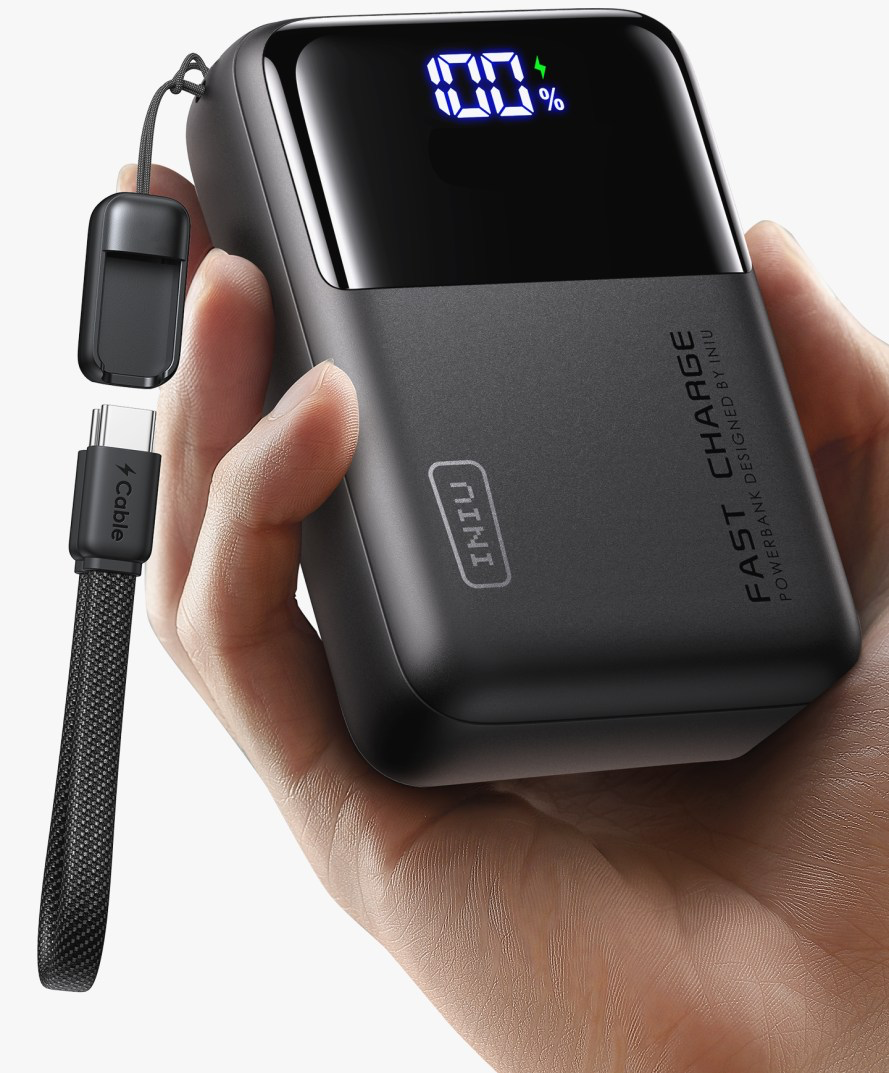
This is the item the whole trip hinges on. A Switch OLED will take roughly three full recharges off a 25,000mAh pack; a Steam Deck, running hard, will take closer to one and a half. The 100W USB-C output matters more than the capacity number — a Steam Deck will trickle-charge miserably off a 18W brick, and a teenager watching a battery icon crawl is a teenager who gets bored.
Buy capacity in the 20,000 to 27,000mAh range and no more. Beyond that you’re carrying a brick that also happens to be a hassle at airport security. Look for a pack that charges itself at 60W or better, so it refills from the car on the drive in. Bonus: it tops up phones, headlamps and a GPS watch too, which makes it the household’s battery, not just the gaming one.
$39 – $65
- BigBlue 28W Foldable Solar Charger
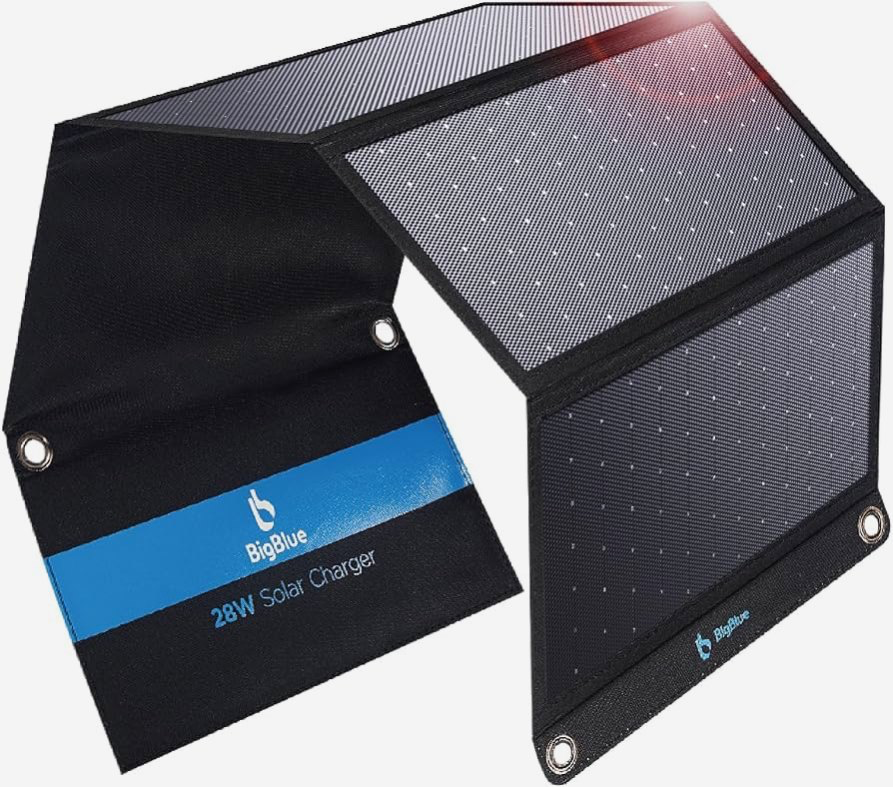
Three nights off-grid with no vehicle to fall back on and the power bank becomes a finite resource. A folding 28W panel clipped to the outside of a pack, or spread on a rock while camp is set up, buys back a meaningful chunk of that. Realistically, in good midday sun, you’re looking at several hours to put a serious dent in a 25,000mAh bank — so treat it as a top-up, not a generator.
The practical appeal for a parent is that it turns charging into a small daily chore with a visible reward, which lands better with a teenager than a rationing lecture. Choose a panel with a built-in ammeter or charge indicator so they can see the sun actually doing something. Do not try to charge a Steam Deck directly from a panel; charge the bank, then charge the device from the bank.
$55 – $80
- Satisfye ZenGrip Pro Ergonomic Grip
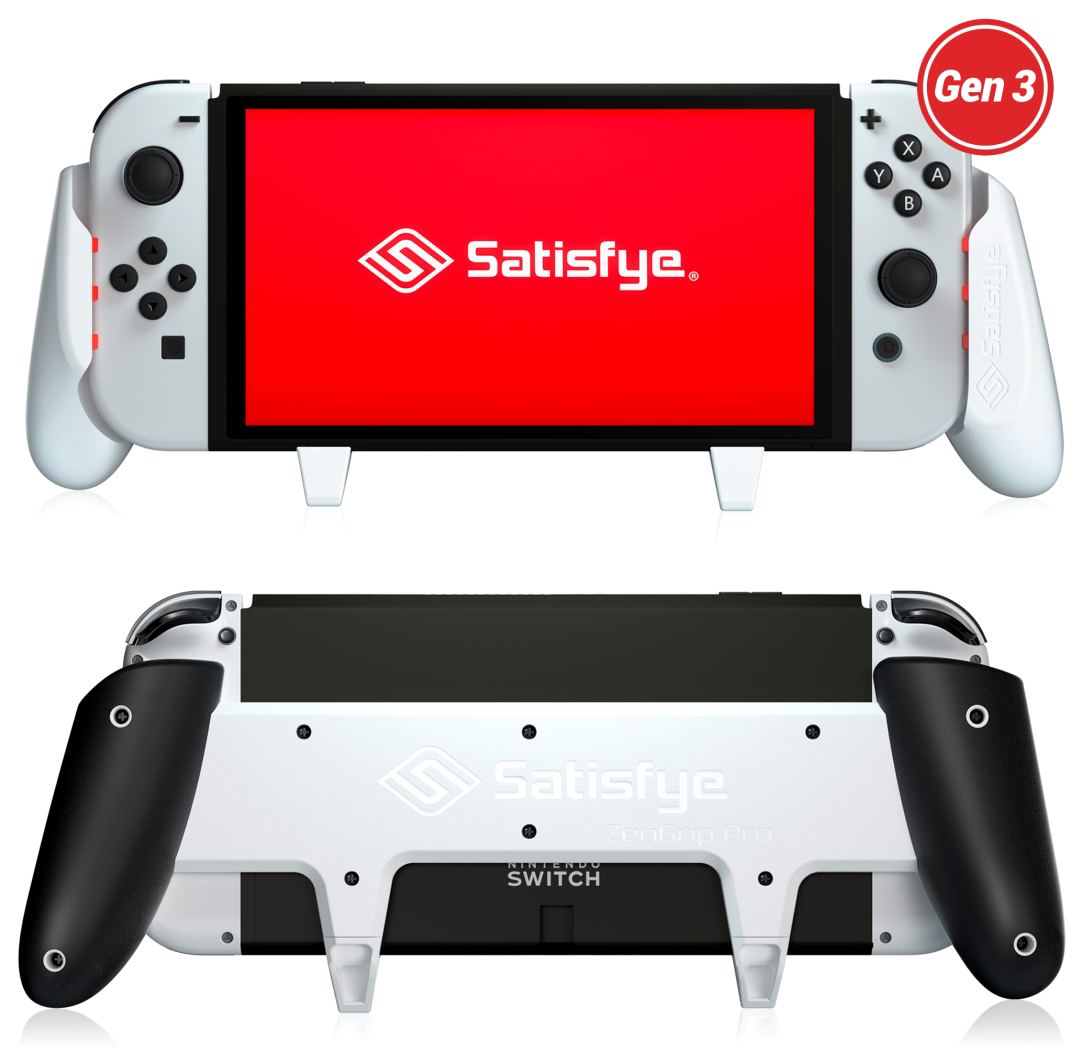
Handhelds were designed for couches. Hold one cross-legged on a sleeping pad for ninety minutes and the thin edges start digging into your palms. A moulded grip fixes the hand position, raises the device off flat stock Joy-Con geometry, and genuinely reduces the cramping that ends sessions early. Satisfye’s is the well-known one; cheaper Mumba and HEYSTOP silicone equivalents do a decent job for under twenty dollars.
The hidden benefit outdoors is drop protection. A gripped console has a wider, grippier footprint and significantly less chance of skating off a camp table or out of cold fingers onto granite. Check compatibility carefully — grips are model-specific, and a Switch Lite grip will not fit an OLED. If the teen already uses a grip at home, this is the one item you can skip.
$18 – $45
- amFilm Anti-Glare Matte Screen Protector
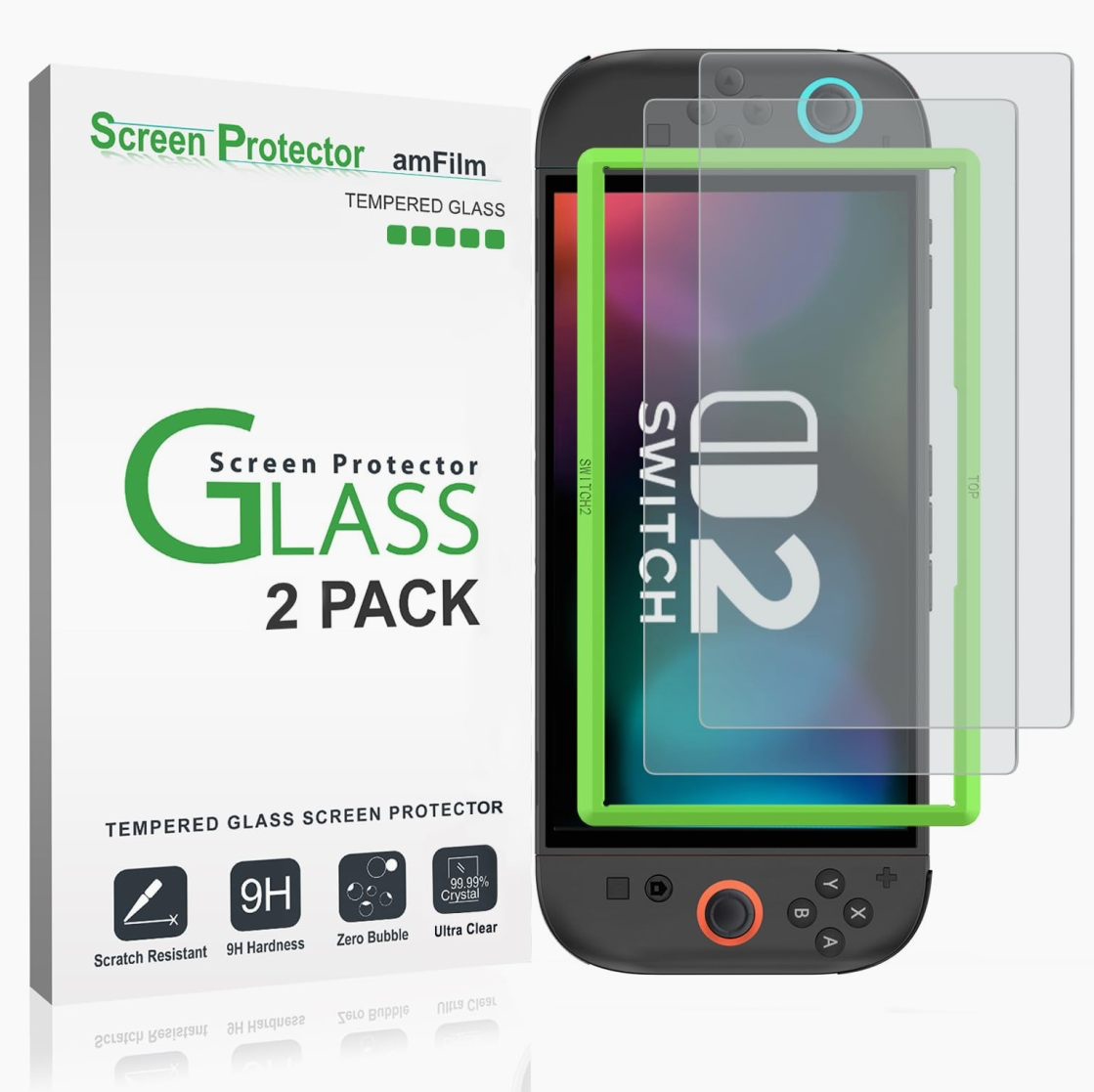
Here is the problem nobody anticipates until they’re sitting in a clearing at two in the afternoon: a glossy handheld screen in open daylight is a mirror. You see trees, sky and your own face. An etched matte protector scatters that reflection instead of bouncing it back, and the difference outdoors is not subtle — it’s the difference between playing and squinting.
You give up a little sharpness and some of the OLED’s pop, which is why matte is a divisive choice for living-room use. In the backcountry it’s an easy trade. Matte film also hides fingerprints and sunscreen smears, and it takes the abrasion from dust and pine needles that would otherwise score the actual panel. At under fifteen dollars for a two-pack, it’s the cheapest insurance on this list. Apply it at home, in a steamy bathroom, not at the trailhead.
$9 – $16
- tomtoc Hard Shell Carrying Case
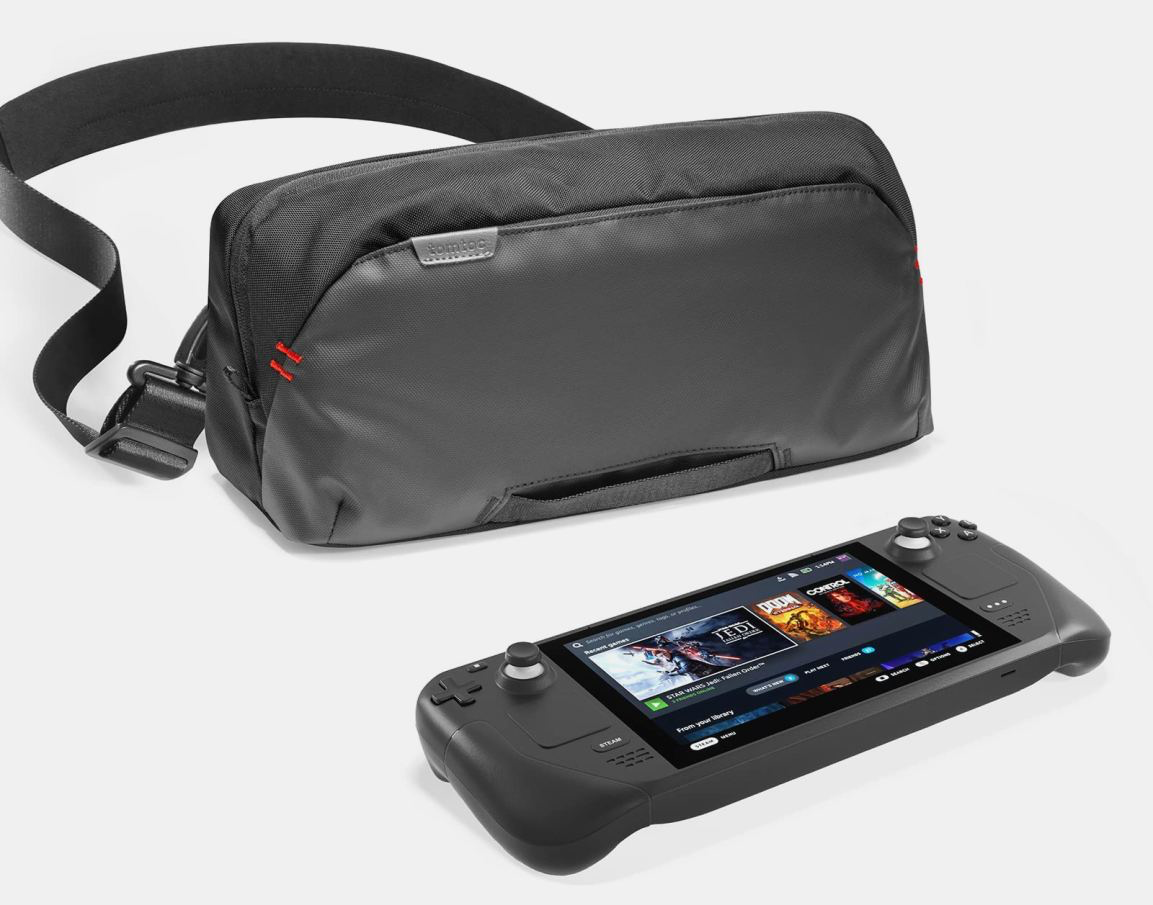
A console loose in a backpack among tent poles and a cook kit is a console with a cracked screen. A semi-rigid EVA case with a dedicated screen flap and a handful of game slots turns it into a protected brick you can wedge anywhere in the pack. tomtoc’s cases are the ones that consistently come up in owner reviews for build quality, and the larger Steam Deck versions have room for the charger and a power bank.
One important caveat: these cases are water-resistant at best, not waterproof. For a multi-day trip, slide the whole thing into a cheap roll-top dry bag. That combination — hard shell inside, dry bag outside — handles everything short of a dunked pack. Pick a case sized to the exact model; a Steam Deck case swallowing a Switch means the console rattles, which defeats the point.
$25 – $45
- Shokz OpenMove Bone Conduction Headphones

Earbuds at camp are antisocial and, on a trail, actively unsafe. Bone conduction sits in front of the ear and leaves the canal open, so game audio goes in while you still hear a parent calling, a creek crossing, or whatever is rustling in the brush. For a parent, that’s the compromise that makes headphones acceptable at all on a backcountry trip.
The OpenMove is the entry model in the Shokz line and the one that usually sits nearest this list’s price ceiling. Sound quality is thin on bass compared with sealed buds — that’s physics, not a defect — but for game dialogue and ambient score it’s fine. They’re IP55 rated, they survive sweat and drizzle, and the battery runs six or so hours per charge, which means one top-up mid-trip from the power bank.
$60 – $90
- Trekology YIZI GO Portable Camp Chair

Posture is the quiet reason camp gaming sessions fall apart. Hunched over a handheld on a log for an hour and the neck and lower back give out long before the battery does. A low-slung packable chair with any kind of back support changes the whole experience, and the Trekology sits in the sweet spot between a thirteen-dollar folding stool and a Helinox that costs three times as much.
It packs to roughly the size of a water bottle and weighs around two pounds, which is nothing if you’re basing out of a vehicle and tolerable if you’re not. Realistically you’ll buy more than one, because the moment a teenager is comfortable in it somebody else wants one. Look for an aluminium pole frame rather than fibreglass — the cheap frames are what fail first, usually on the second trip.
$33 – $50
- Ocoopa UT2s Rechargeable Hand Warmers
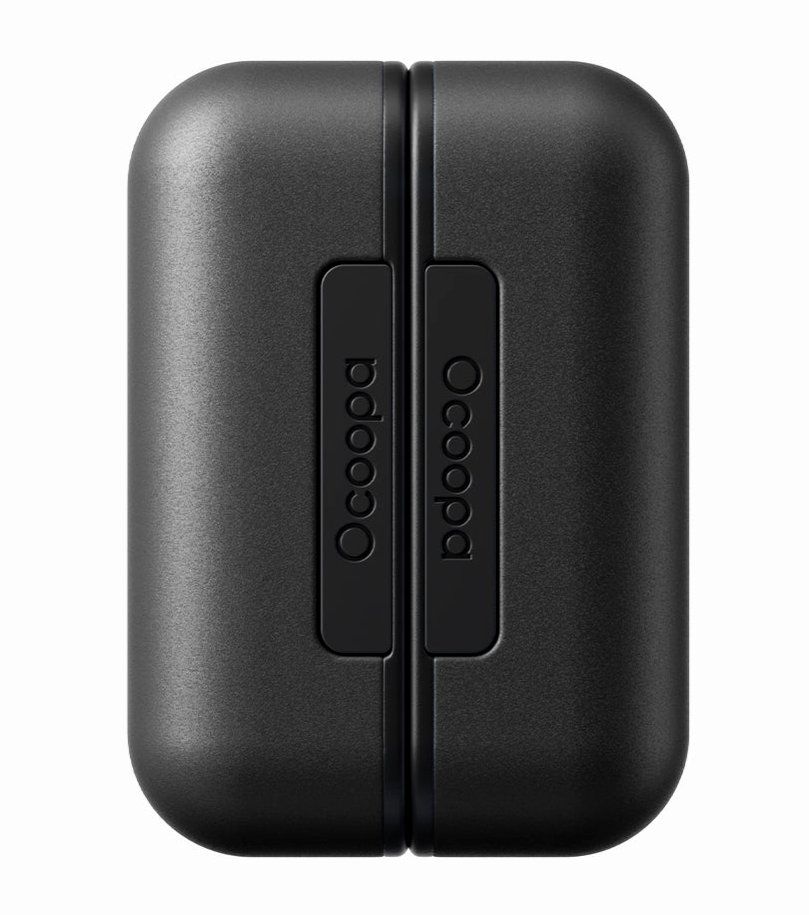
Cold fingers kill dexterity, and a 40-degree morning in the mountains will make a thumbstick feel like a stranger. A pair of rechargeable hand warmers tucked into a jacket pocket between sessions solves that, and the Ocoopa UT2s splits into two units so one goes in each hand — far more useful than a single puck you have to pass back and forth.
The dual-purpose part is what earns it a slot: these double as a small power bank, so a dying phone gets an emergency top-up out of the same device. Expect several hours on the lower heat settings, far less on high. For a parent, there’s an additional argument worth making out loud — warm hands are a legitimate cold-weather safety item, and framing it that way is easier than framing it as a gaming accessory.
$26 – $40
- SanDisk Extreme 256GB microSD Card
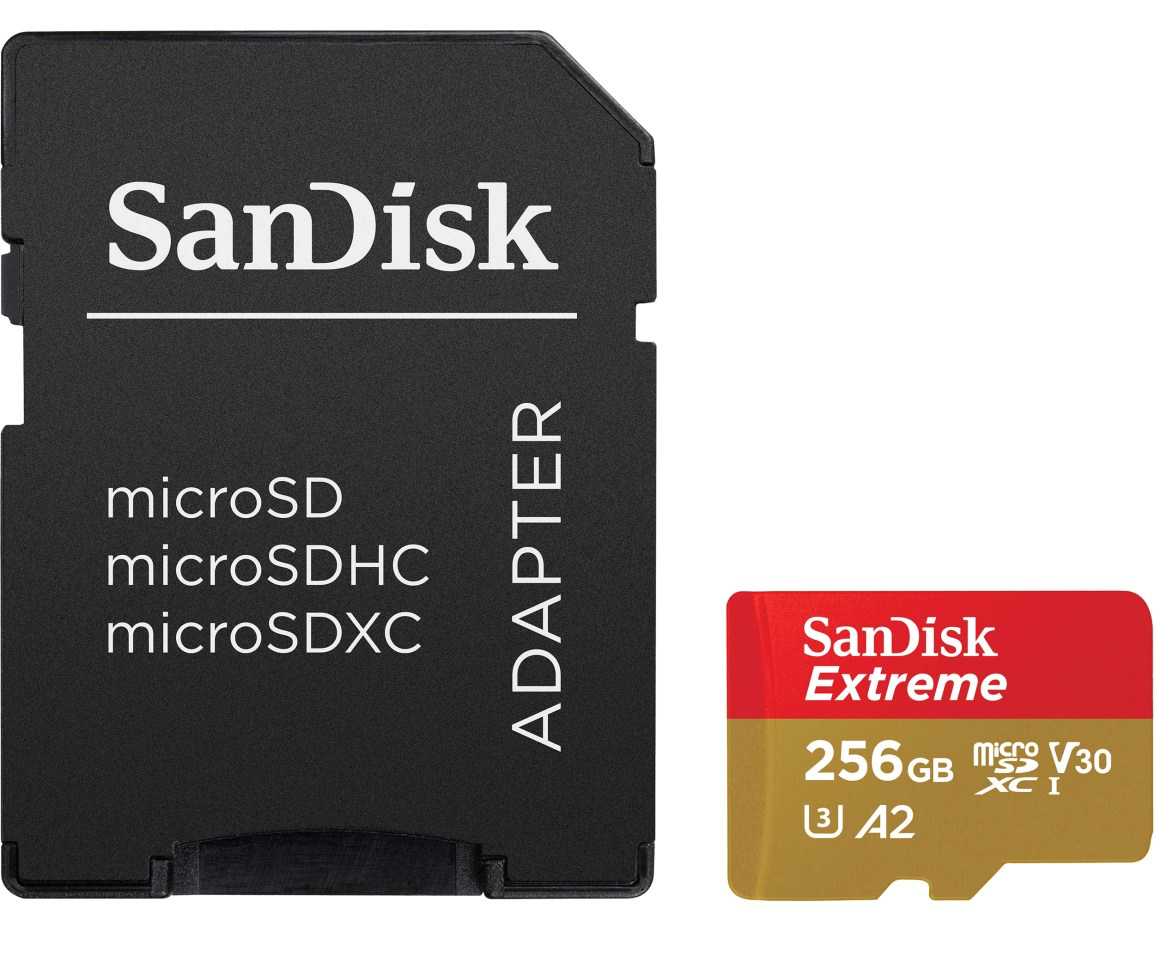
Off-grid means no downloads. Whatever is on the device at the trailhead is the entire library for three days, and discovering that a favourite game was cloud-only is the sort of thing that sours an evening. A roomy, fast microSD card loaded up the week before departure is the fix, and the SanDisk Extreme line is the one most consistently recommended for both Switch and Steam Deck duty.
Two practical notes. First, counterfeit SanDisk cards are everywhere, so buy from a seller you trust and verify the capacity once it arrives. Second, spend the evening before the trip actually downloading and launching each game offline — some titles quietly phone home on first run. Offline-friendly, long-session games are what you want loaded: big RPGs, roguelikes, anything that fills a dark tent for two hours.
$22 – $40
How to Choose Without Overbuying
If you buy three things off this list, buy the power bank, the matte screen protector and the case. Those three cover the failure modes that actually end a trip: no charge, no visibility, broken hardware. Everything else is comfort, and comfort can be added next trip once you know whether the handheld-at-camp arrangement is something your family repeats or a one-off experiment.
Resist the urge to build a full portable setup in one purchase. Teenagers already own some of this — a grip, a case, earbuds — and duplicating gear is how a modest list turns into three hundred dollars. Ask first, then fill gaps.
- Match the accessory to the exact model. Switch, Switch OLED, Switch Lite and Steam Deck grips and cases are not interchangeable, and returns from a trailhead are not a thing.
- Prioritise watts over milliamp-hours. A 100W-capable power bank charges a Steam Deck at usable speed; a 18W one does not, regardless of capacity.
- Check the IP rating on anything electronic. IPX4 or better survives drizzle; everything else lives in a dry bag.
- Load and test games offline at home a few days before you leave, not the night before.
The Point Isn’t the Console
None of this is really about gaming. It’s about removing the excuse. A teenager who knows the handheld will be charged, visible in daylight and safe in the pack stops arguing about whether to come, and the three-day trip becomes a trip rather than a standoff. The screen comes out for an hour after dinner, which is roughly when everyone else is reading or staring at a fire anyway.
Start with the power bank and the screen protector — under eighty dollars together, and they fix the two problems that are genuinely specific to playing outdoors. Add the chair and the hand warmers before a cold-weather trip. These recommendations come from spec comparisons and the consensus of owner reviews rather than personal field testing, so check current pricing and model compatibility before you commit.